

163
Moscow City Championship in Alpinism. First Ascent Category
Peak Khan-Tengri – 6995 m – via the center of the North Face
FIRST ASCENT
- Team of MGS DSO "Burevestnik"
Team Leader: Koroteev V.K.
- Moscow, ul. Dorozhnaya, 16, bldg. 3, apt. 122.
- ph. 381-87-86 (home)
Team Coach: Shpolyansky V.N.
- Moscow, Strelbishchensky per., 5, bldg. 3, apt. 52.
- ph. 256-25-34 (home)
MGS DSO "Burevestnik"
- Moscow, ul. Chkalova, 65.
- ph. 227-04-78
The heights in this report were determined based on the heights listed in the report by Myslovsky E.V.
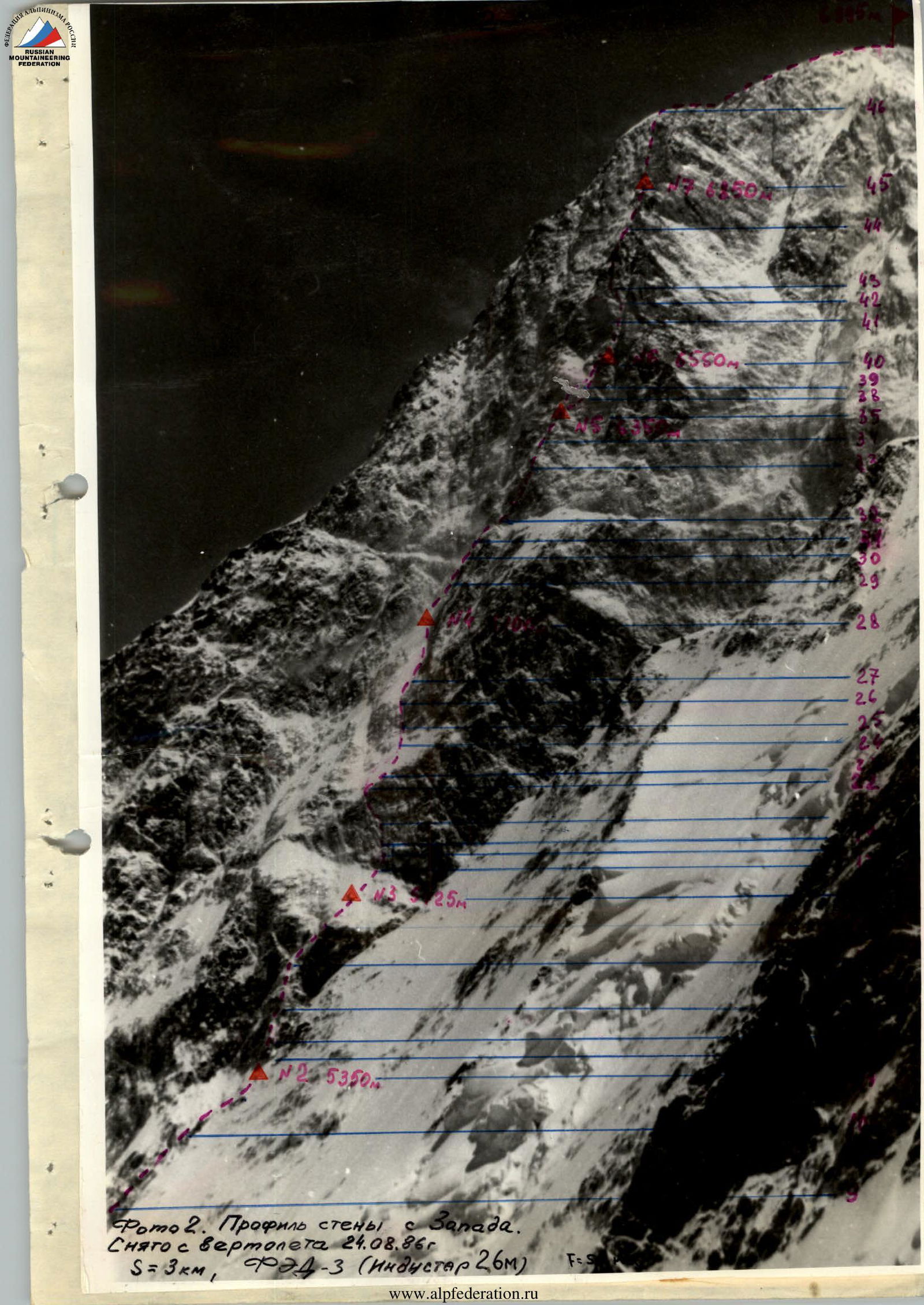
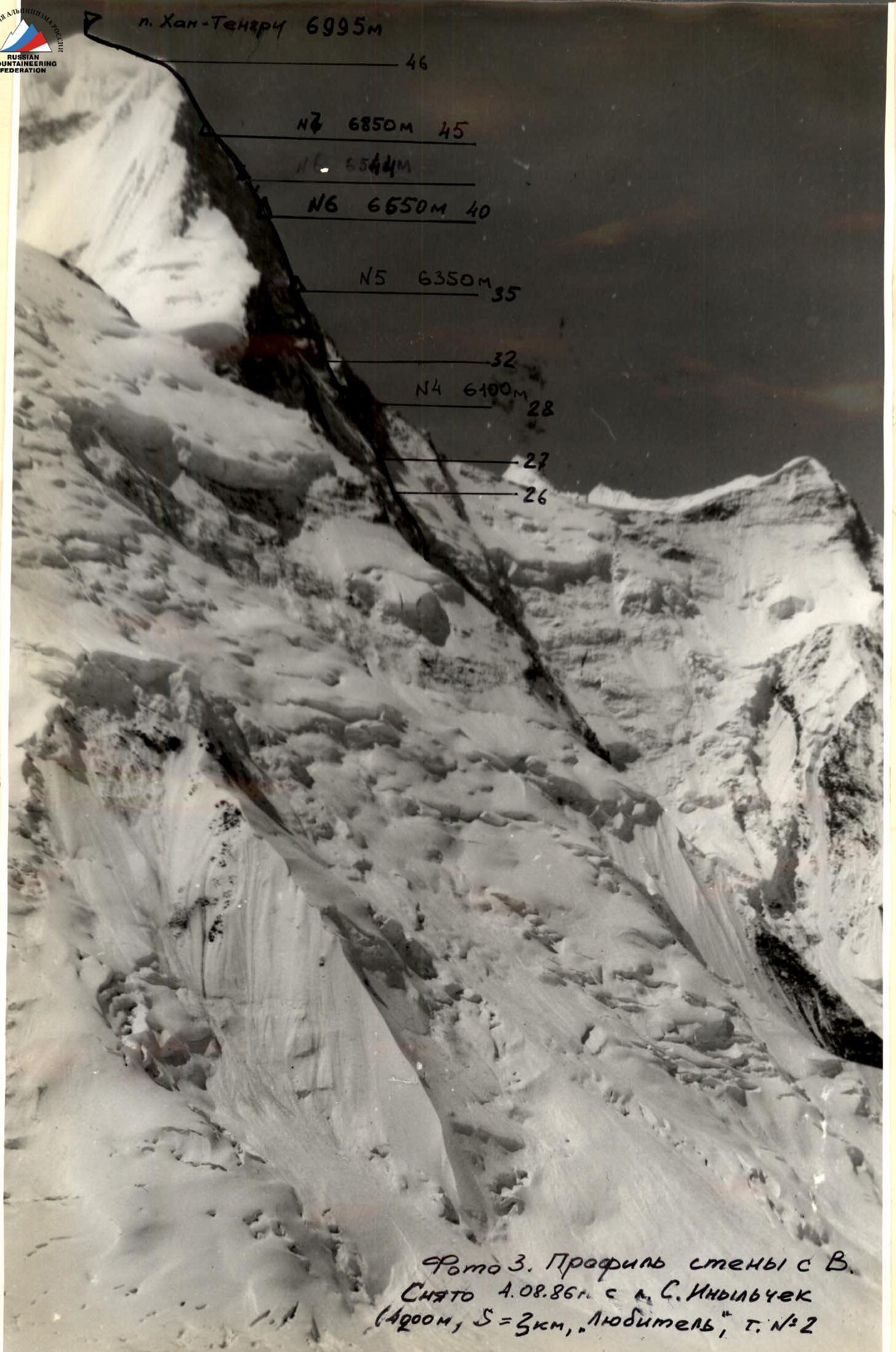 Photo 3. Profile of the wall from V. Taken on August 4, 1986 from l. S. Inylchek (A doom, S = 3 km, "Lyubitel", T. No. 2).
7. Tactical Actions of the Team
August 3. At 6:00, Koroteev V., Elagin V., and Petrov N. approached the route and hung six ropes on the ice. The goal of the exit was to inspect and assess the ice part of the route. The trio returned to the base camp at 10:00.
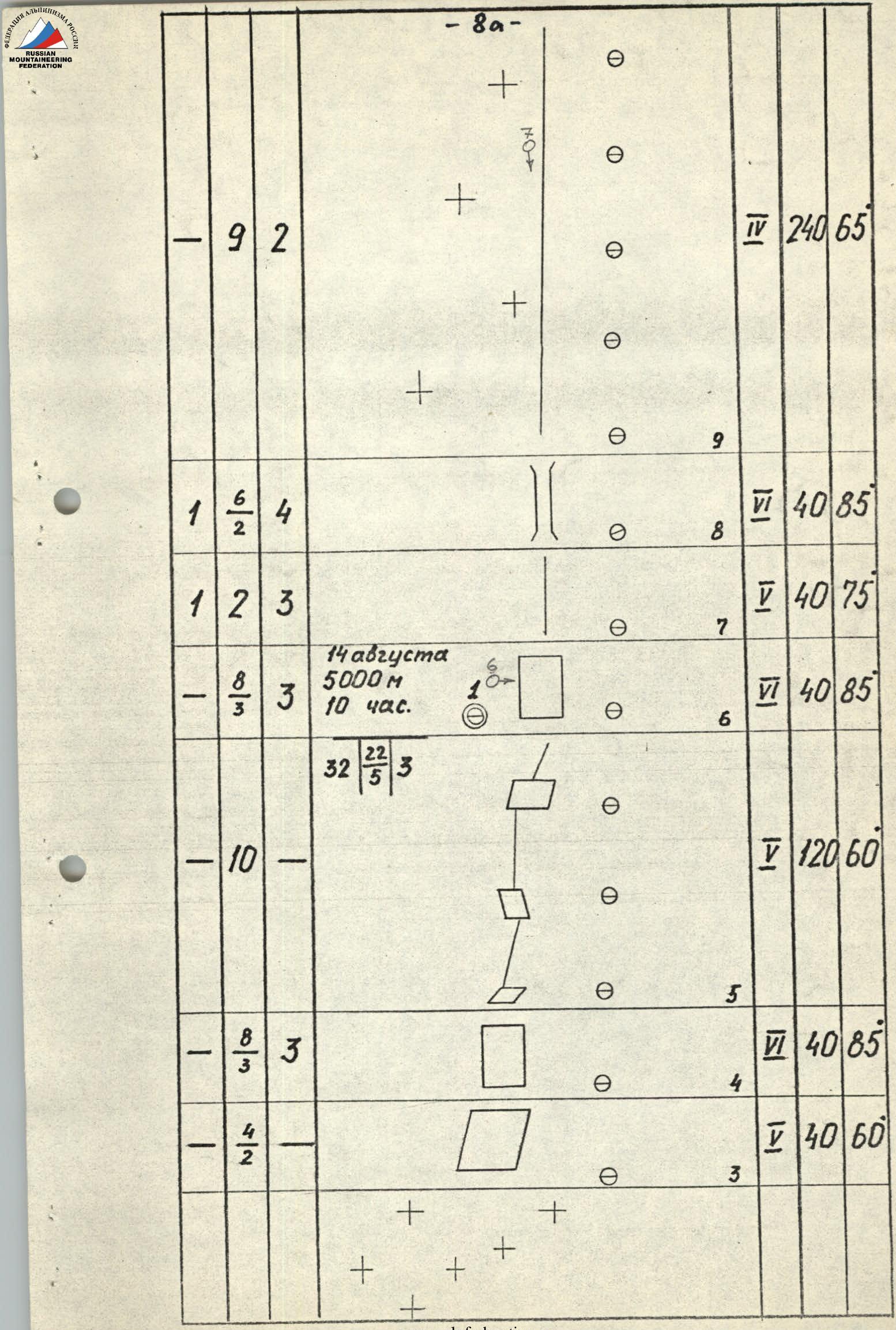
August 4. Due to warm weather, the exit to the route was postponed from 4:00 to 6:00 when it noticeably cooled down. Four people: Elagin V., Petrov N., Yanochkin V., and Moskalev V. — started on the route at 6:00. Task — processing the ice. The remaining team members: Koroteev V., Kolomtsev V., Obikhod V., Nikolaev O. — passed the railings, removed them, and organized the disposal of unnecessary ropes. At 10:00, the weather deteriorated — it started snowing. Visibility reduced to 25 m. By 13:00, the lead rope, Elagin-Petrov, reached the rocks (sect. R4). While processing the complex rocks with an exit to the ridge, unnecessary equipment was collected and discarded. Around 16:00, they reached the overnight stay location (5000 m).
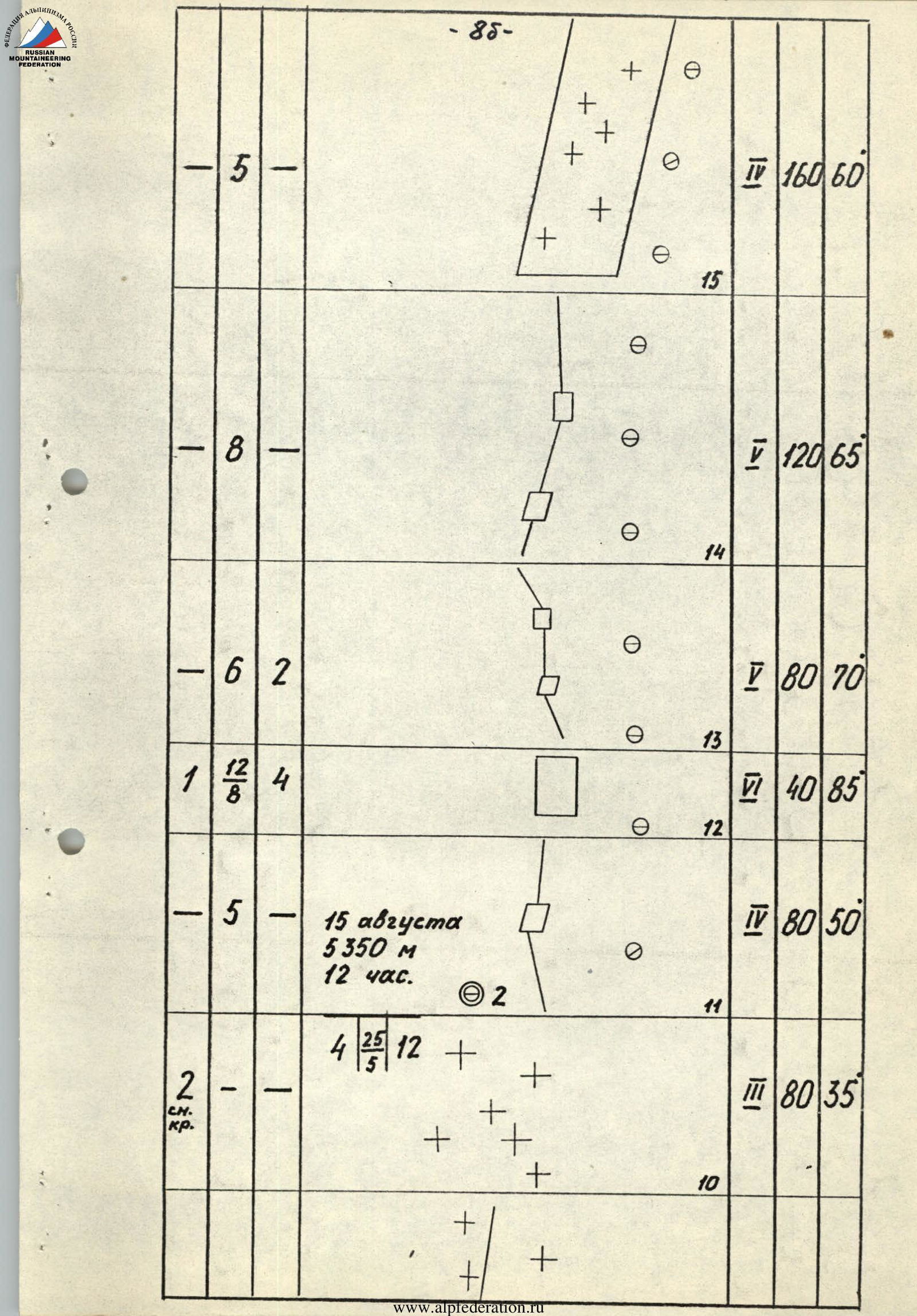
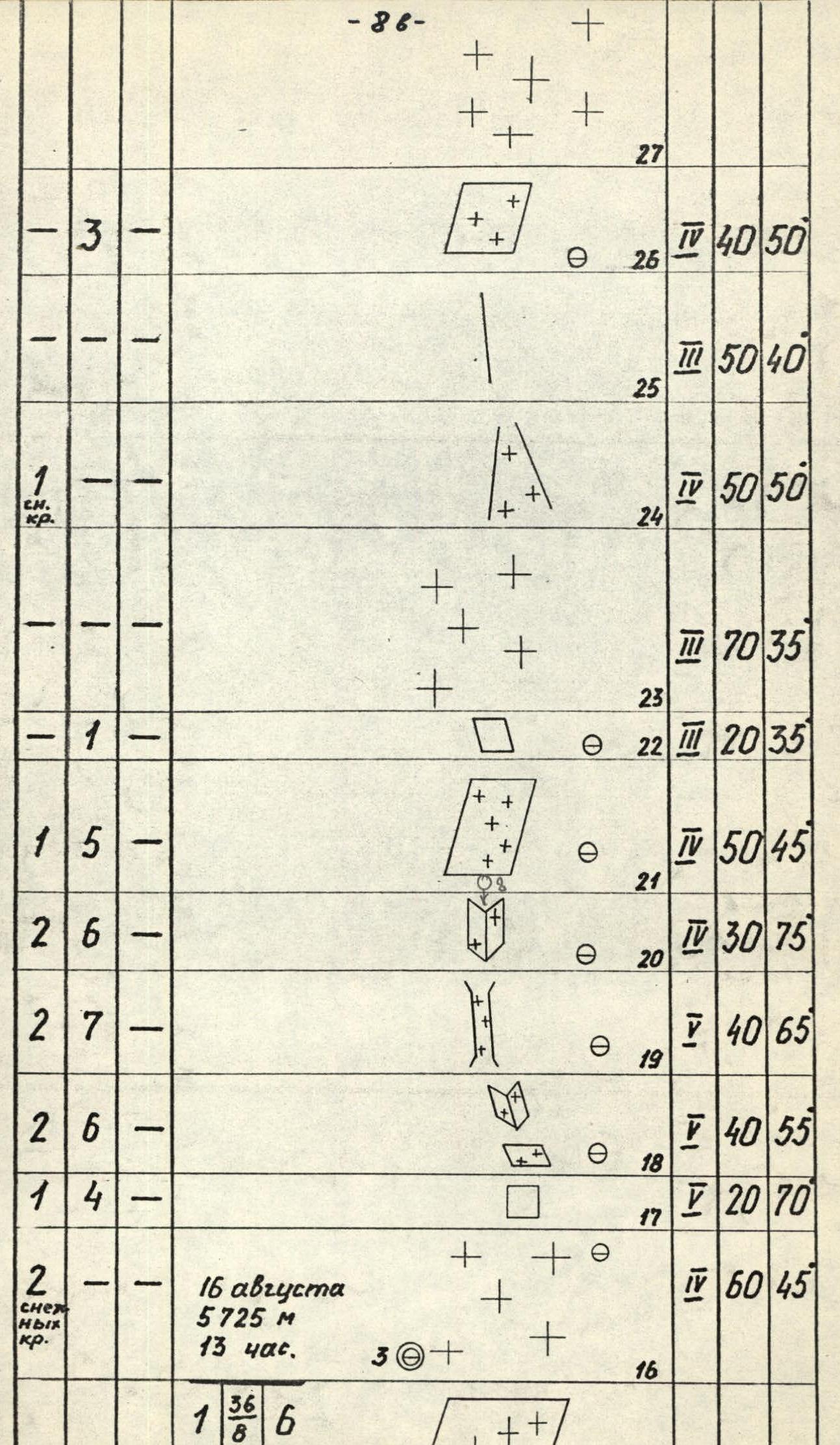
August 15. The Koroteev-Obikhod rope led the way. By 16:00, they passed three very complex ropes (sect. R6–R9) using artificial climbing techniques (IT), ladders, and rope pulls. By 19:00, they reached the overnight stay location under the "hobот". The Yanochkin-Nikolaev rope drank tea and went to process, while the others set up a tent and prepared dinner. The duo hung three ropes (sect. R11–R13).
August 16. The Yanochkin-Nikolaev rope was in the lead. By 16:00, the "hobот" was passed, and at 17:00, the team reached the rocky exit in the center of the snowy slope (5725 m). Here, they spent three hours creating platforms from loose snow and cutting rocks. Meanwhile, Kolomtsev-Moskalev processed the rocky wall, having previously hung two ropes on a steep snowy slope. By 21:00, they descended, having processed two ropes of the inner corner (sect. R17–R20).
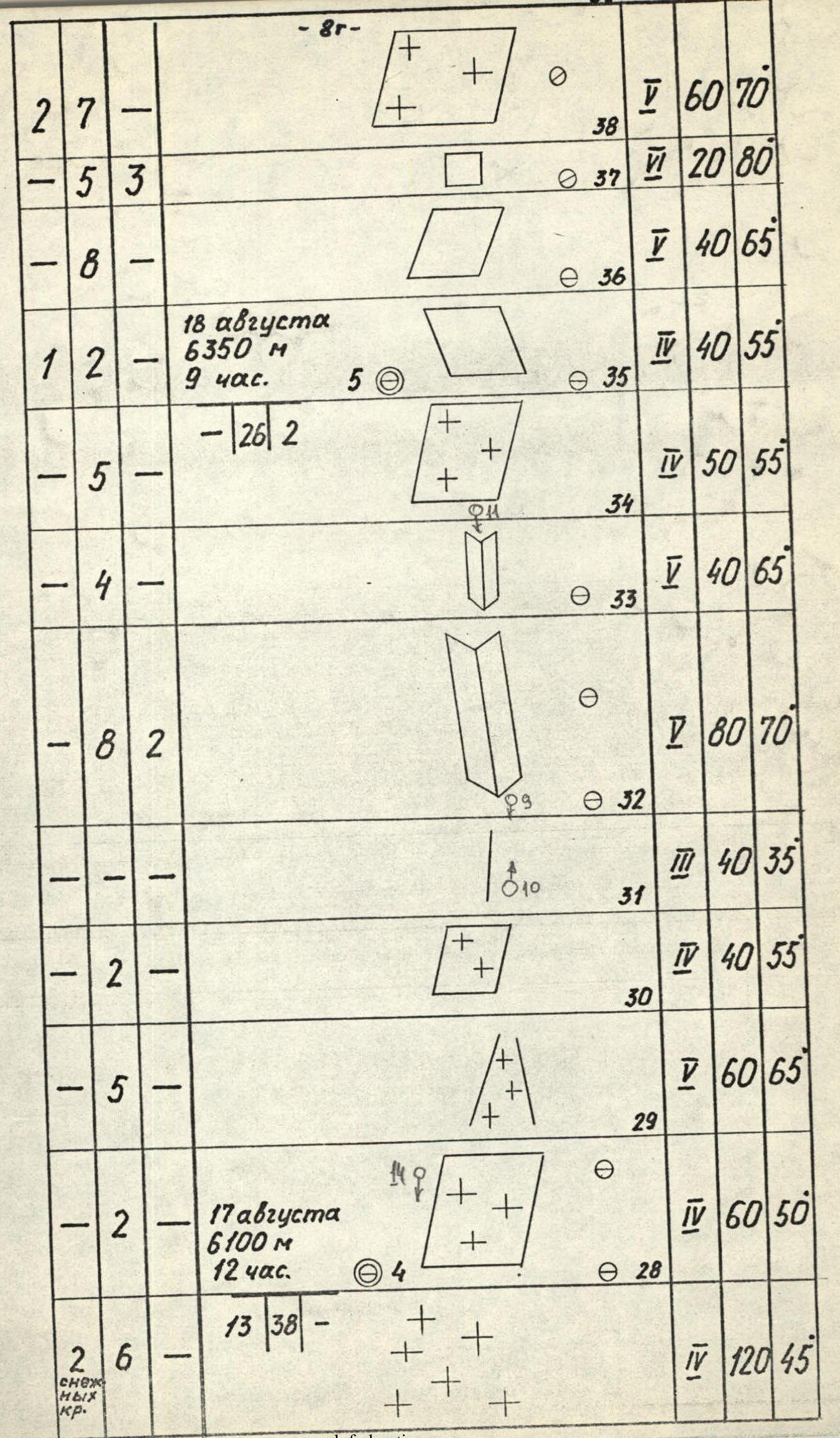
August 17. The Kolomtsev-Moskalev rope continued processing. After passing the chimney at 12:00, the entire team followed. At 16:00, the Petrov-Elagin rope led and worked on the snow-covered rocks until evening. Overnight stay on a snowy shelf at 6100 m (sect. R28).
August 18. In the morning, the tents were snowed in by an avalanche. The weather was clear, but the wind blew snow off the above rocks. Petrov-Elagin worked ahead. They moved up to the right towards the "red" rocks of the summit. The loose, snow-covered rocks did not allow simultaneous movement, although the steepness was not very great (sect. R28–R32). Through the inner corner, they exited onto a small ridge, which at a height of 6350 m became slightly more gentle and had shelves for overnight stays (sect. R34–R35). At 18:30, the snow and wind, which had been hindering the team's progress since 10:30, ceased. The Petrov-Yanochkin duo processed another two ropes of rocks that evening (sect. R35–R37).
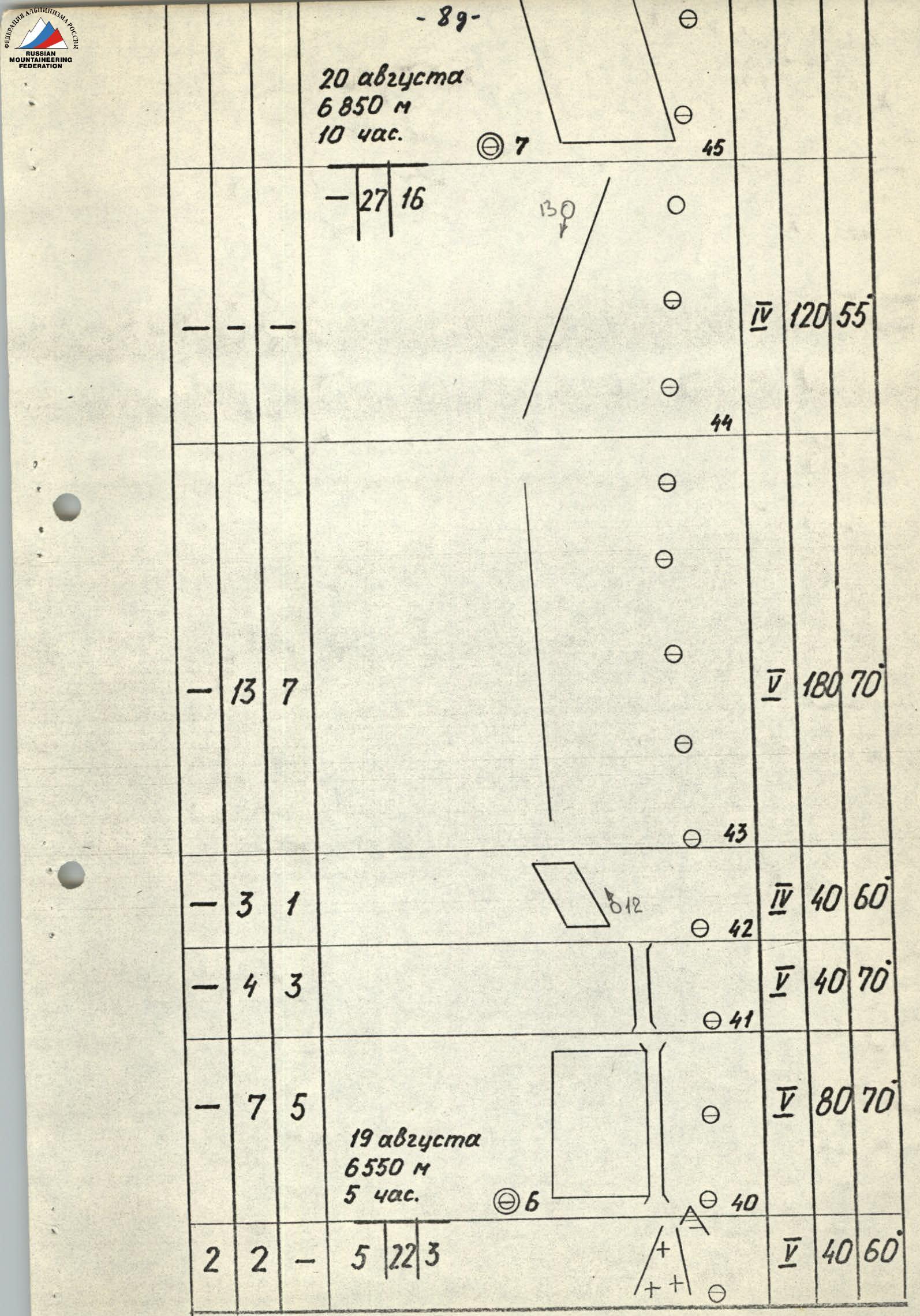
August 19. It snowed from night until 13:00. There was no wind. By morning, 15–20 cm of snow had accumulated on the rocks. The wind that started at 12:00 blew the snow away. At 15:00, the Elagin-Yanochkin duo began processing, and after processing another three ropes (sect. R37–R40), they reached the "big chimney" of the "red" rocks. Here, in a small snow patch, they managed to cut out platforms for tents, and by 20:30, the entire group assembled there (6550 m).
August 20. From 8:00, the Koroteev-Obikhod rope worked ahead. Having hung two ropes on the left side (sect. R41–R44), the duo gave a signal to the others to move along the railings. One more rope was hung at the base of the chimney; another traversed to the ridge on its left side. Then, 180 m of complex climbing followed on the left side until a bend where the steepness of the chimney decreased to 55° (sect. R41–R44). The team gathered at this point at 16:00 and continued moving in pairs with simultaneous insurance through ledges. 120 m of the ridge led to a rocky, destroyed wall (sect. R44–R45), where the group settled for the night at 20:00. They had to sleep in a semi-reclined position. From 15:00 to 21:00, there was a snowstorm.
August 21. The Kolomtsev-Moskalev duo began processing the rocks at 10:00. The others followed an hour later. By 13:00, they passed the last meters of the wall (sect. R45–R46), and the team reached the snowy summit cap. At 13:30, the team spotted a tent on the ridge and received instructions via radio:
- to quickly inspect the summit;
- to descend to the tent, which might belong to the missing Shcherbakov group.
At 14:00, the group reached the summit. The note from SAVO did not contain information about the missing group. There were no signs of them on the summit either. At 16:00, the group reached the tent, where they found Katachkov S., who told them what had happened. On their descent, the group conducted a visual inspection of the wall, trying to find signs of the missing.
August 23, 1953. At 18:00, the group safely descended to the camp.
 www.alp-federation.ru↗
 www.alp-federation.ru↗
 www.alp-federation.ru↗
Route Description by Sections
Section R0–R1. Entry onto the route, overcoming the bergschrund under the right edge of the large rocky island of the first rocky belt.
Section R1–R2. Ice slope. Entry onto a not very pronounced ice ridge above the rocky island.
Section R2–R3. Up to the right on the ice towards the rocky ridge, at the base of which there are two rocky outcrops.
Sections R3–R5. On snow-covered rocks, veering slightly to the right, approach under the rocky wall, which is climbed directly upwards with an exit onto the ridge. Live rocks. On the ridge, there is a small platform.
Section R5–R6. The ridge passes between two large white marble patches and is covered in ice. It leads to a sharp snow ridge abutting a rocky wall with one of the white patches. The second patch is on the left side of the ridge. Overnight stay 50 m below on the snowy ridge.
Section R6–R7. Steep rocky wall. In the upper part, there is a 10 m slab with microrelief. At the end, there is an exit onto the ridge.
Section R7–R8. The ridge consists of fragile, plate-like rocks. Very unreliable. It's better to use placements.
Section R8–R9. Approach on steep rocks covered in ice to the inner corner, composed of loose "tiles". Passed in opposition. Backpacks are pulled up. Insurance through universal hooks.
Sections R9–R11. Snow-covered rocky ridge, which gradually becomes more gentle. In the upper part, there is enough snow for a bivouac.
Section R11–R12. On snow-covered rocks, approach under its steeper part, known as the "hobот".
Section R12–R13. The ridge becomes much steeper and forms a wall. Very complex climbing using "Zaltsug", artificial climbing techniques (IT).
Sections R13–R15. The steepness of the ridge decreases, allowing for free climbing. There is ice and snow in the crevices and cracks.
Sections R15–R17. Snow-covered rocks lead to a snowy slope. Past a rocky island to the base of the wall in the shape of a triangle, the lower edge of which is formed by a 15 m living marble.
Section R17–R18. An inner corner going up to the left. Entry via a rocky wall made of white marble. Flow ice allows the use of short ice screws.
Sections R18–R21. At the base of the inner corner, transitioning into an ice-filled chimney, there is an icy, sloping shelf. Insurance through ice screws and rocky hooks, boxes. Passed in opposition.
Section R21–R22. Up to the left on snow-covered slabs, exit onto a snow-covered ridge.
Sections R22–R28. After passing 20 m on snow, traverse under the snowy couloir and exit onto the ridge, which after 50 m abuts ice-covered rocks. The passage does not cause difficulties. The subsequent snowy slope is traversed simultaneously with insurance through snowy hooks and shovels hammered into rocky outcrops. In the upper part of the slope, there is dense enough snow for a bivouac.
Sections R28–R30. Up to the right on snow-covered slabs, approach under the couloir, which contains many "live" rocks. Passed in turns.
Sections R30–R33. In the upper part of the couloir, transition to the right side and then on snow-covered "tiles" exit onto a snowy ridge, which leads to a not very pronounced inner corner with ice. Here begins the "red" rocks.
Sections R33–R35. The inner corner turns to the right and leads onto snow-covered rocks. There are shelves suitable for a bivouac.
Sections R35–R37. On heavily destroyed rocks with snow, using rocky hooks for insurance, approach under the rocky wall.
Section R37–R38. The rocky wall is heavily destroyed, with many "live" rocks. It's hard to find a place for hooks. Insurance through medium-sized placements.
Sections R38–R40. Traverse on snow-covered steep rocks, approach under the snowy couloir, and ascend to a small rock pinnacle at the base of the chimney. A good place for an overnight stay.
Section R40–R41. Five meters to the right lead into the chimney (via traverse). This section is climbed on its left side — the rocky wall.
Section R41–R42. Continuation of the path through the chimney in opposition. The width of the chimney gradually decreases. The rocks are destroyed, with detached slabs.
Section R42–R43. Moving directly upwards is dangerous due to the possibility of dislodging rocks down the chimney. Traverse to the left upwards on a small ledge, transition to the left ridge of the chimney wall.
Section R43–R44. Steep rocky ridge is climbed by the first climber without a backpack. There are small ledges convenient for organizing railing insurance.
Section R44–R45. The steepness of the ridge decreases, allowing for simultaneous movement. The relief is dissected, with insurance through ledges. There are possible overnight stay locations.
Section R45–R46. The ridge leads under a rocky wall, composed in places of overhanging blocks. Bypassed on the left. Free climbing, insurance through placements and boxes.
Section R46–R47. After the wall, exit onto the summit snow cap. On a gentle (10°) snowfield, exit onto the summit.
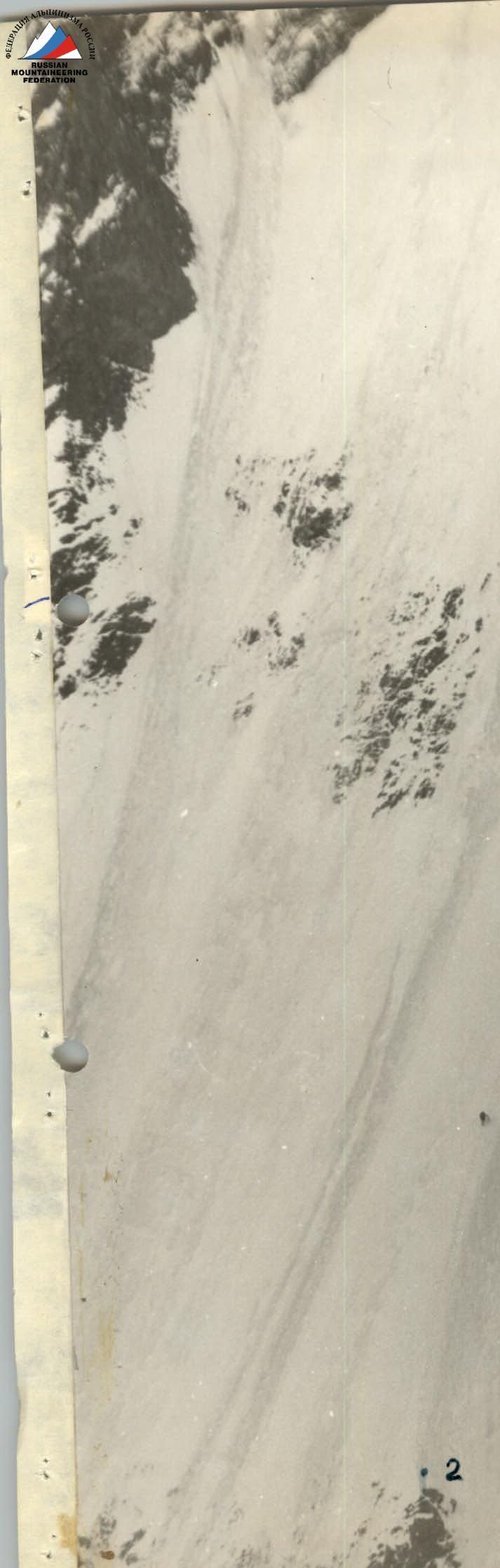
Photo 5. Passing the ice. Section No. R2–R3, August 14, 1986, 9:00.
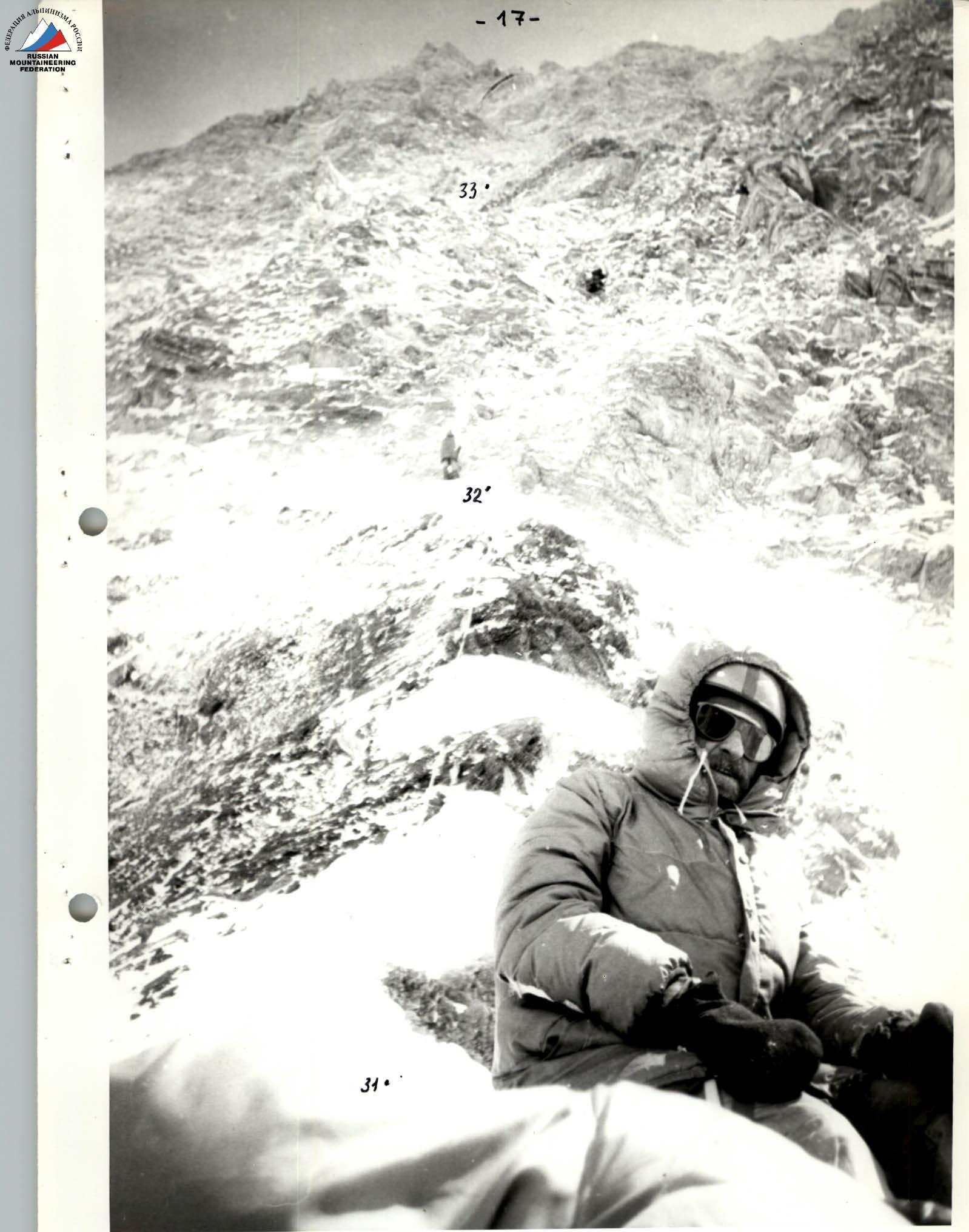
Photo 10. Section R31–R33, August 17, 1986, 15:30.
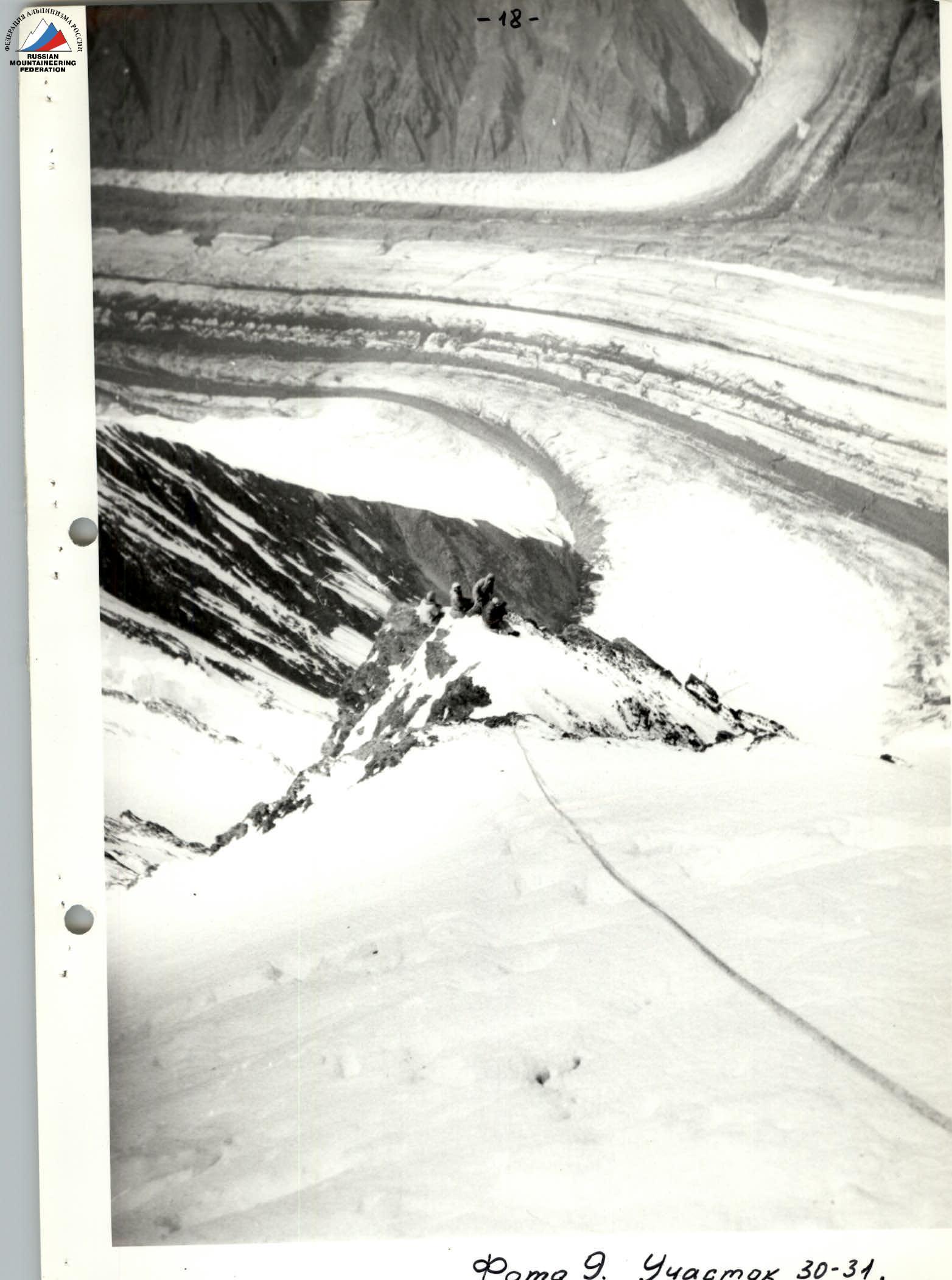
Photo 9. Section R30–R31, August 17, 1986, 15:30.